Castle
Is the Rock of Cashel worth visiting?
Perched high above Cashel town in County Tipperary, it’s a medieval complex that captures everything travelers love about Ireland: history, legend, and sweeping green landscapes.
Should the Rock of Cashel be on your route?
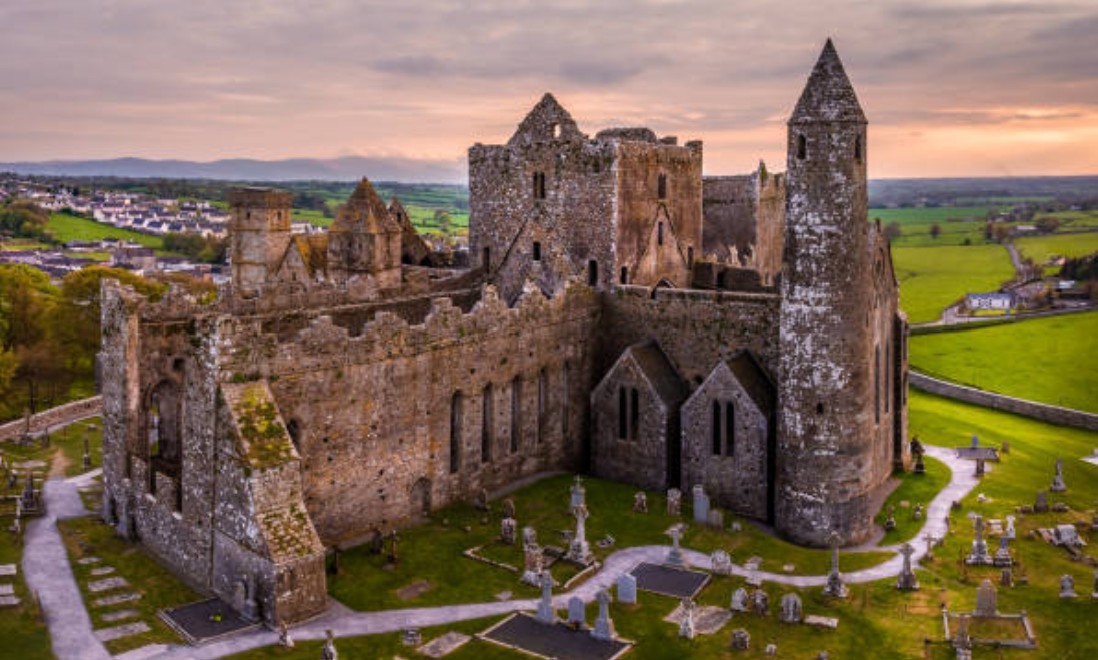
Ireland is full of iconic landmarks, and the Rock of Cashel is among the most striking. Rising from the flat fields of Tipperary, its silhouette is one of the most distinctive and instantly recognizable in the country.
It is perfectly located between Dublin, Kilkenny, Cork, and Limerick, making it an effortless stop. On a 7-day trip through Ireland’s heartland, it fits perfectly between Kilkenny Castle, Cahir Castle, and the Cliffs of Moher. The best option is to visit Kilkenny and then spend a night in Clonmel — a small town about 20 minutes drive from Cashel that will allow you to get to the castles early in the morning and escape queues.
History and Legends of the Rock of Cashel
Local lore offers more than one story about the enormous limestone outcrop that appeared in the middle of Tipperary’s farmland.
St. Patrick and King Aengus
When he came to Cashel to spread Christianity, he’s said to have converted King Aengus, the reigning King of Munster, right there on the Rock. During the baptism, St. Patrick accidentally pierced the king’s foot with his crozier (his staff). Aengus didn’t react, believing the pain was simply part of the ritual. That's why the site is also known as St. Patrick’s Rock.
The fight with the Devil
One of the most well-known stories involves a confrontation between St. Patrick and the devil himself. According to the tale, the devil was hiding in a cave on Devil’s Bit Mountain. When St. Patrick discovered him, a fierce struggle followed. The saint eventually drove the devil out of the cave with such force that a large chunk of the mountain broke loose and landed miles away — right where the Rock of Cashel now stands.
Another version keeps the same mountain and the same two rivals, but changes the ending. In this telling, the devil realizes he’s losing and escapes by biting or blasting a gap through the mountain. The missing piece of rock was flung across the plains and came to rest in Cashel, forming the hill that would later become one of Ireland’s most important sites.
The Kings of Munster
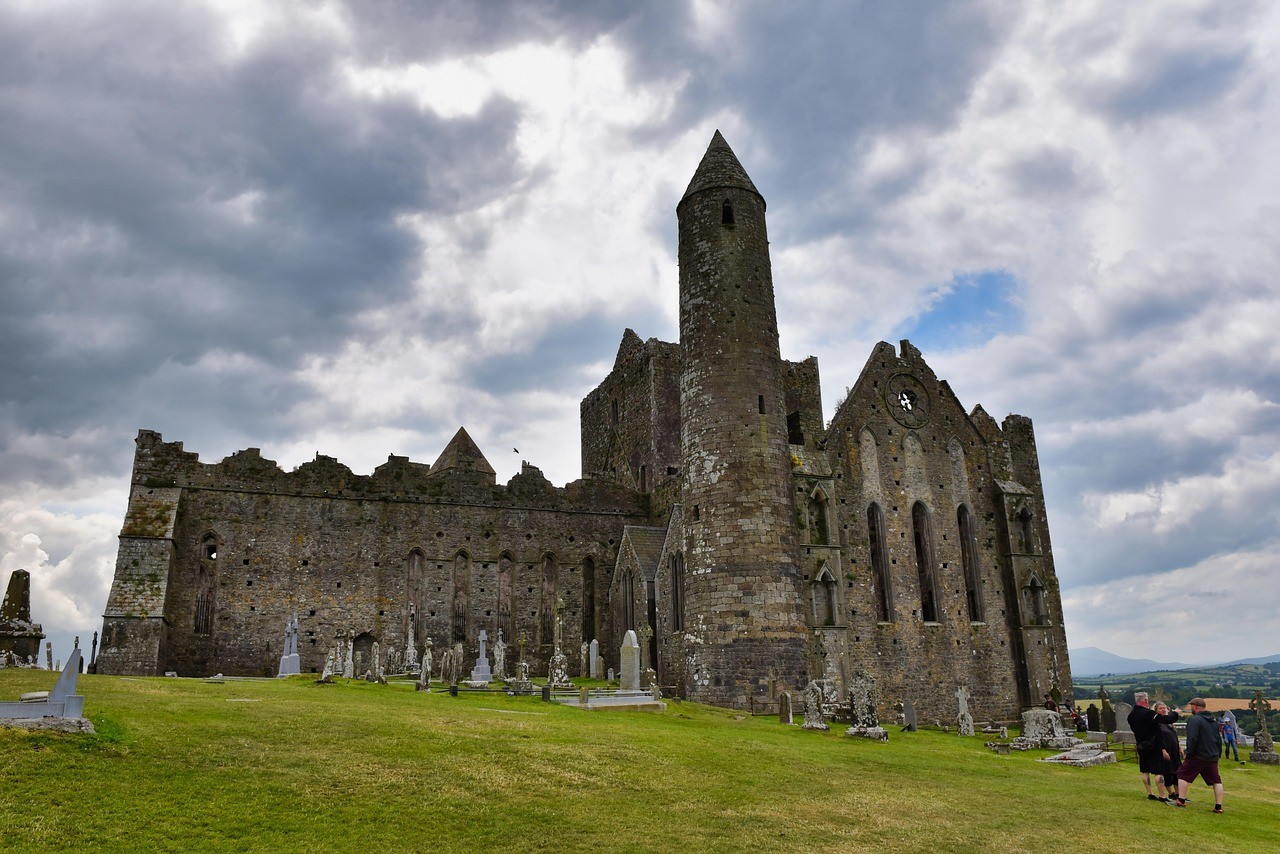
When the Normans arrived in Ireland, the site became the regional fortress of the Kings of Munster. In 1101, King Muirchertach O’Brien formally donated the stronghold to the Church, marking a turning point in its history. Most of what visitors see today — the cathedral, Cormac’s Chapel, and the round tower — dates from the 12th and 13th centuries, built on top of far older foundations. Little remains from the early royal period, but the legends that surround it have kept its spirit alive for over a millennium.
What to see inside the Rock of Cashel
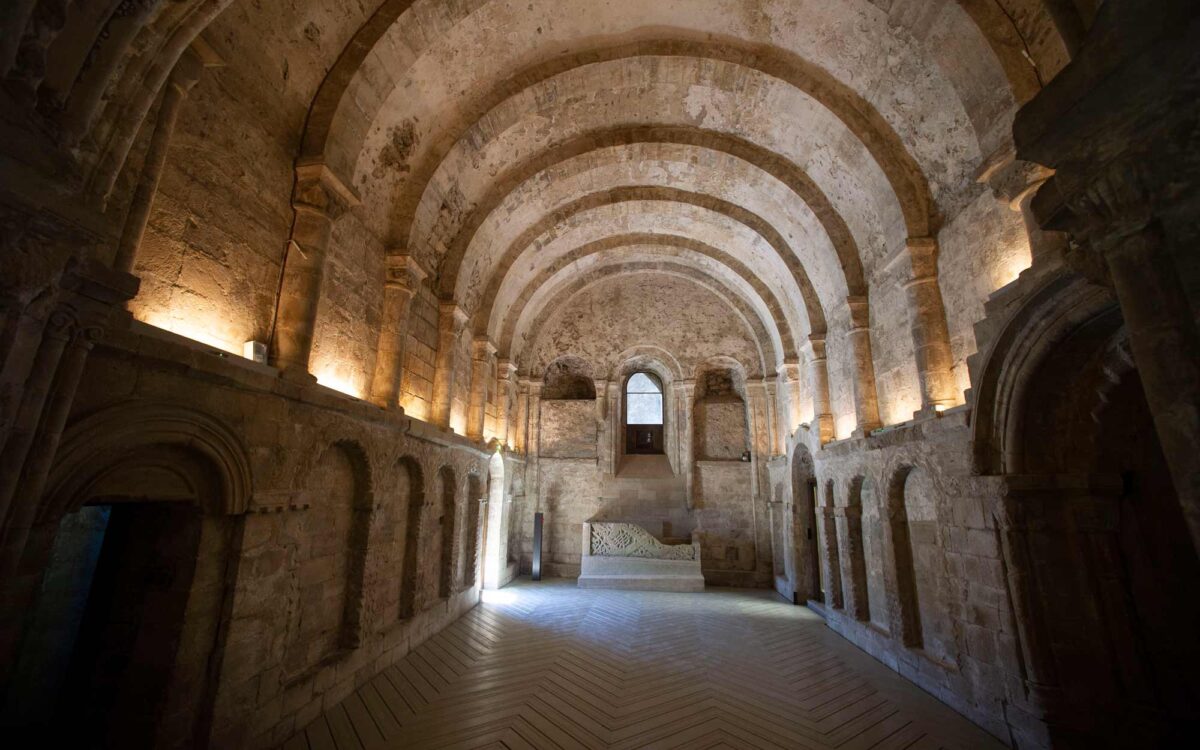
🕍 Cormac’s Chapel
Built almost 900 years ago, this Romanesque gem hides delicate stone carvings and Ireland’s oldest frescoes.
You can only enter with a guided tour, and is not included in the main ticket. You can only purchase the special ticket for the Cormac's Chapel conservation trip at the Rock of Cashel itself.
🏰 The Cathedral
The main structure you see in photos — majestic, roofless, and full of atmosphere. Bring a jacket; the wind up there tells its own story. Guided tours of the site will be advised upon arrival, lasting approximately 45 minutes. No pre-booking required, alternatively you can self-guide.
⛪ The Round Tower
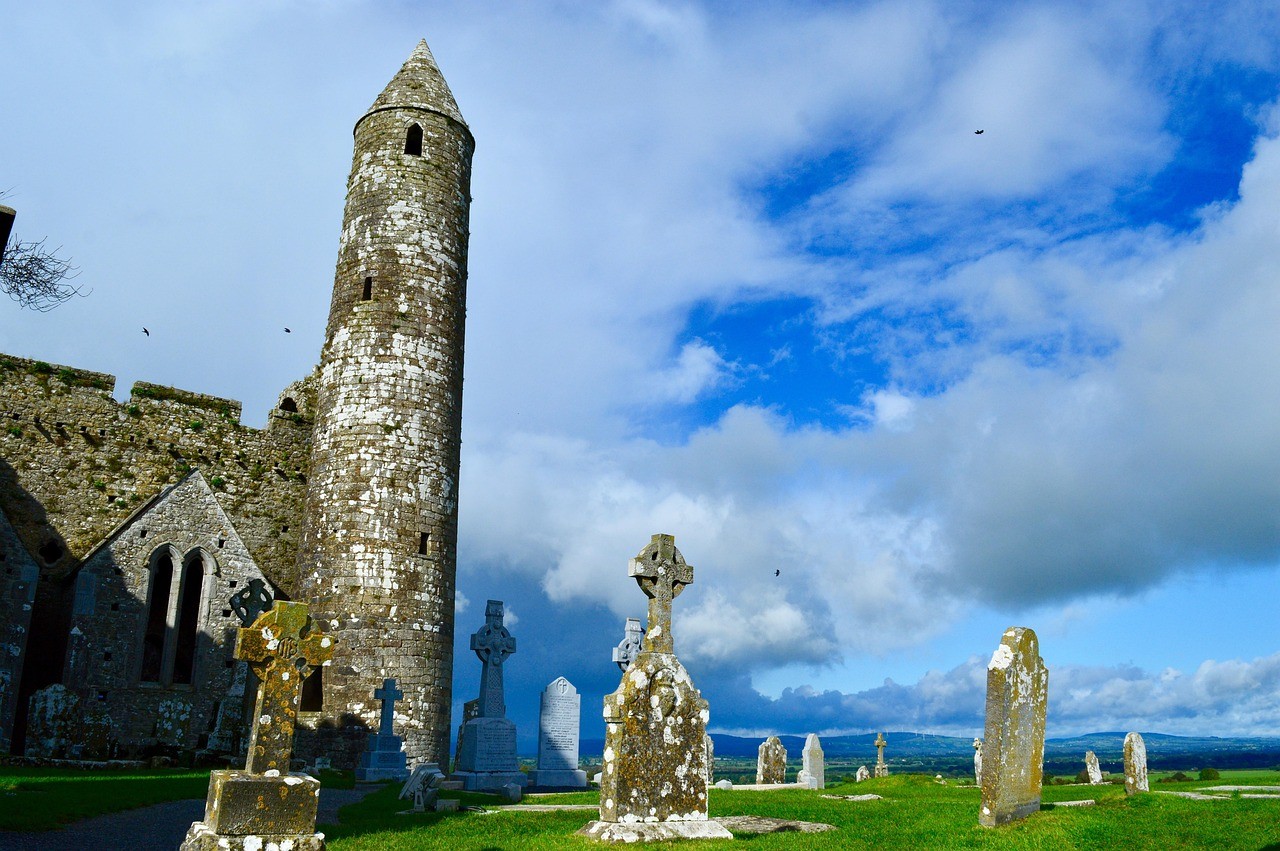
Dating to around 1100, it’s the oldest surviving building at the site and one of Ireland’s best-preserved early Christian towers.
📜 Hall of the Vicars Choral
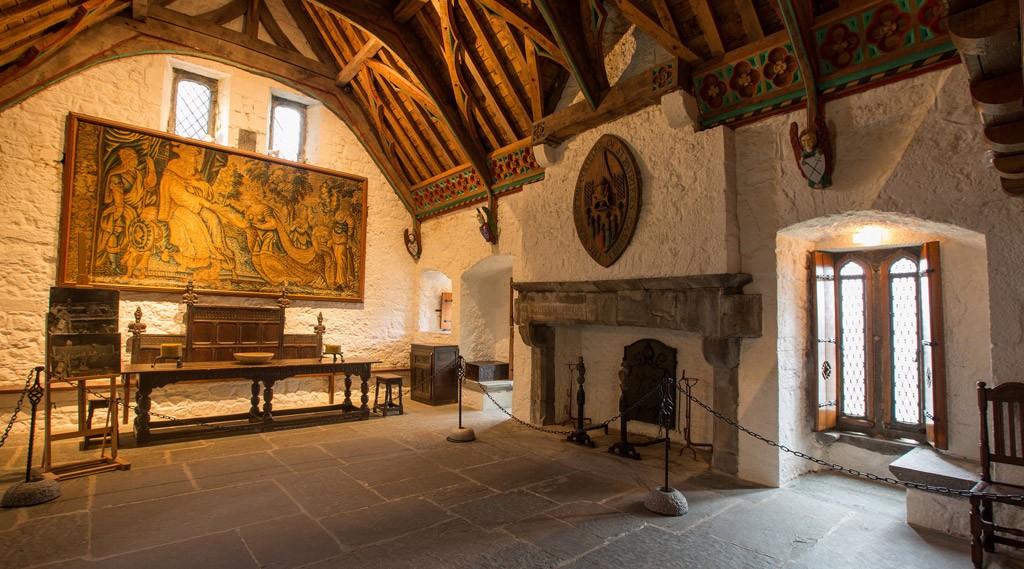
A small restored museum displaying medieval artifacts and the daily life of the clergy who once served here.
Details
Practical Information for your trip
Opening hours: 9 AM–5:30 PM. Please check the official website before going because in case of extreme weather conditions, the castle might be closed.
Visit length: 1–2 hours
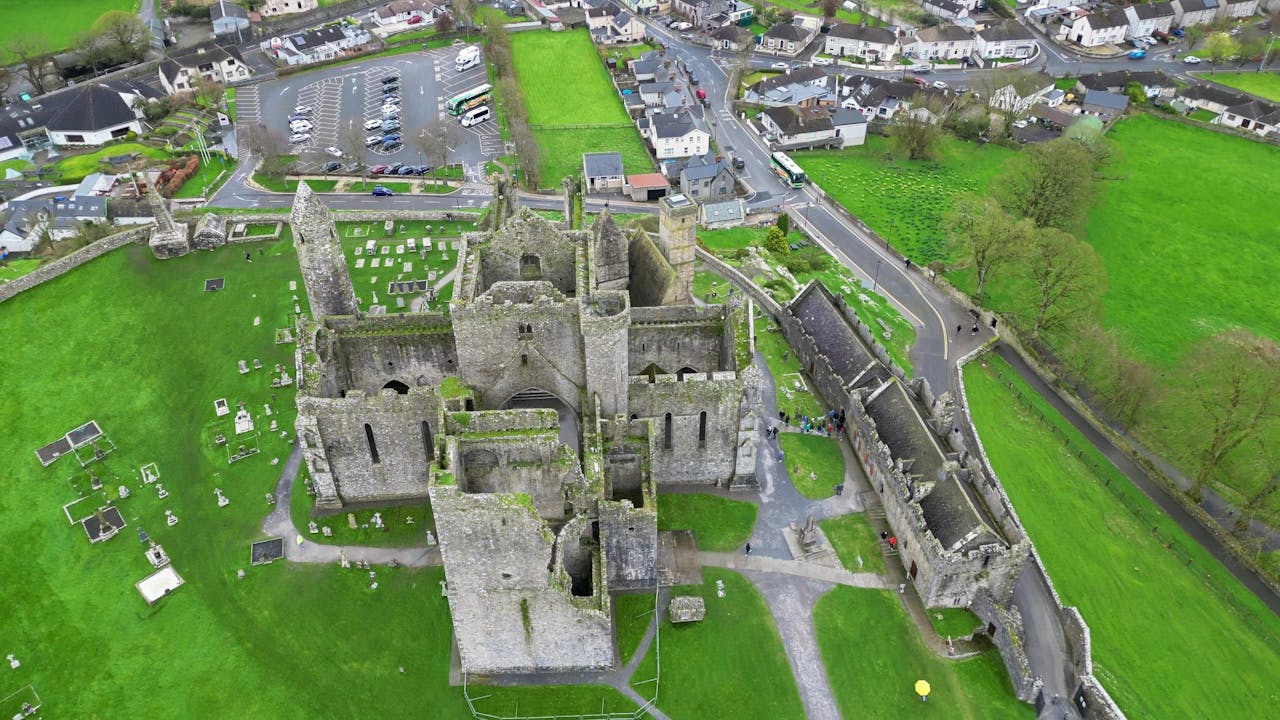
Parking: Free, 5–10 minutes’ walk from the entrance
Facilities: Small visitor center, restrooms, gift shop
Articles
Discover Ireland
Explore our articles to make the most of your visit to Ireland